
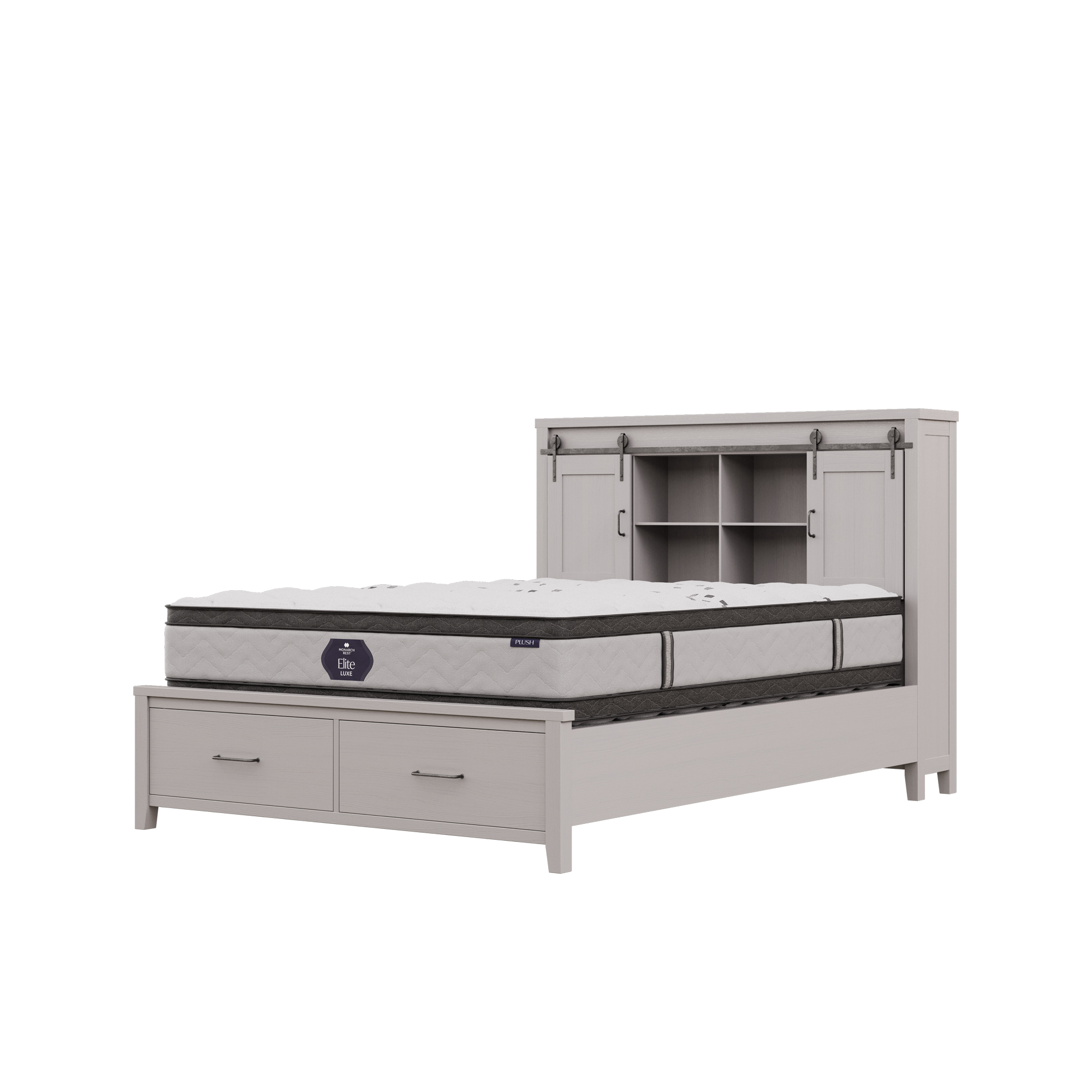
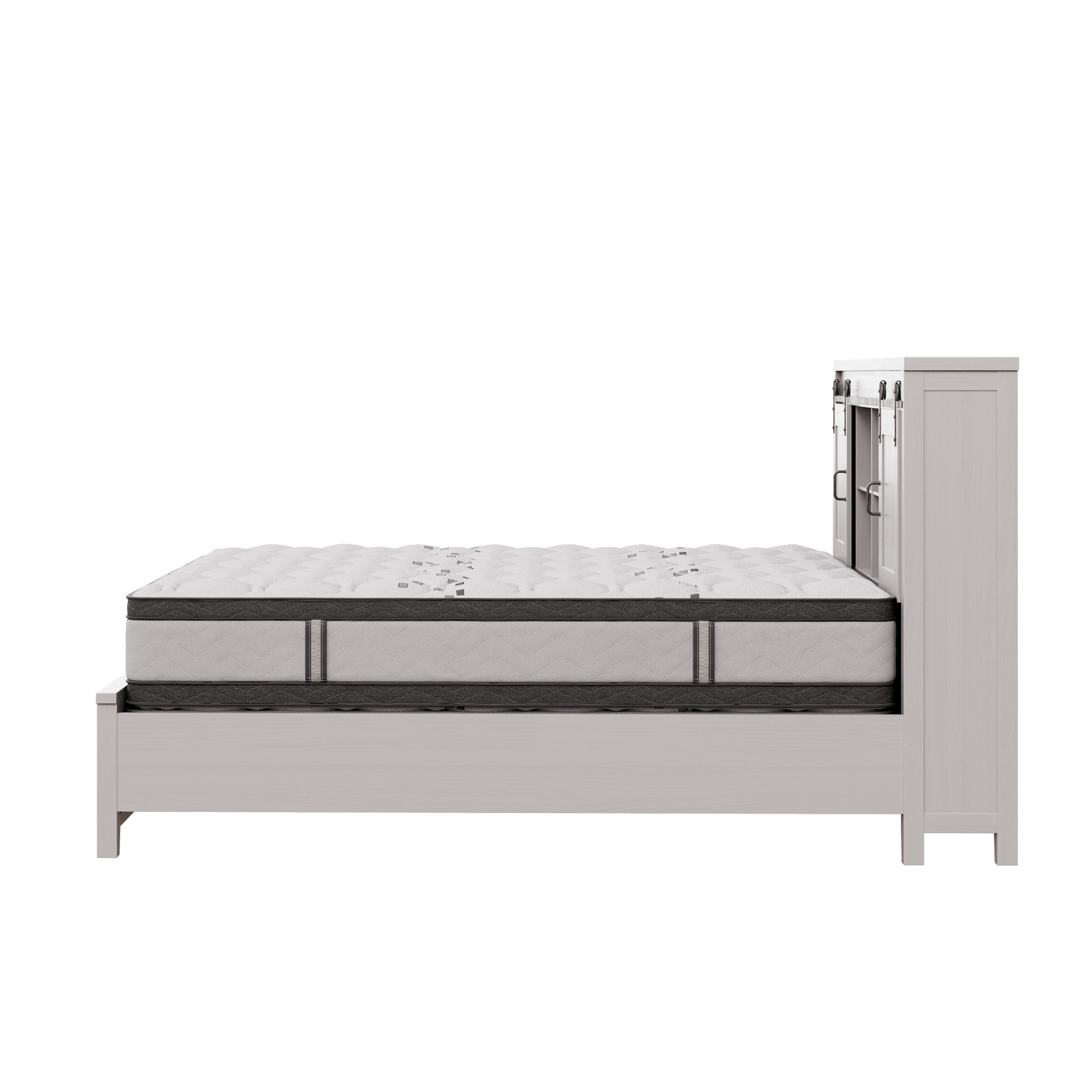
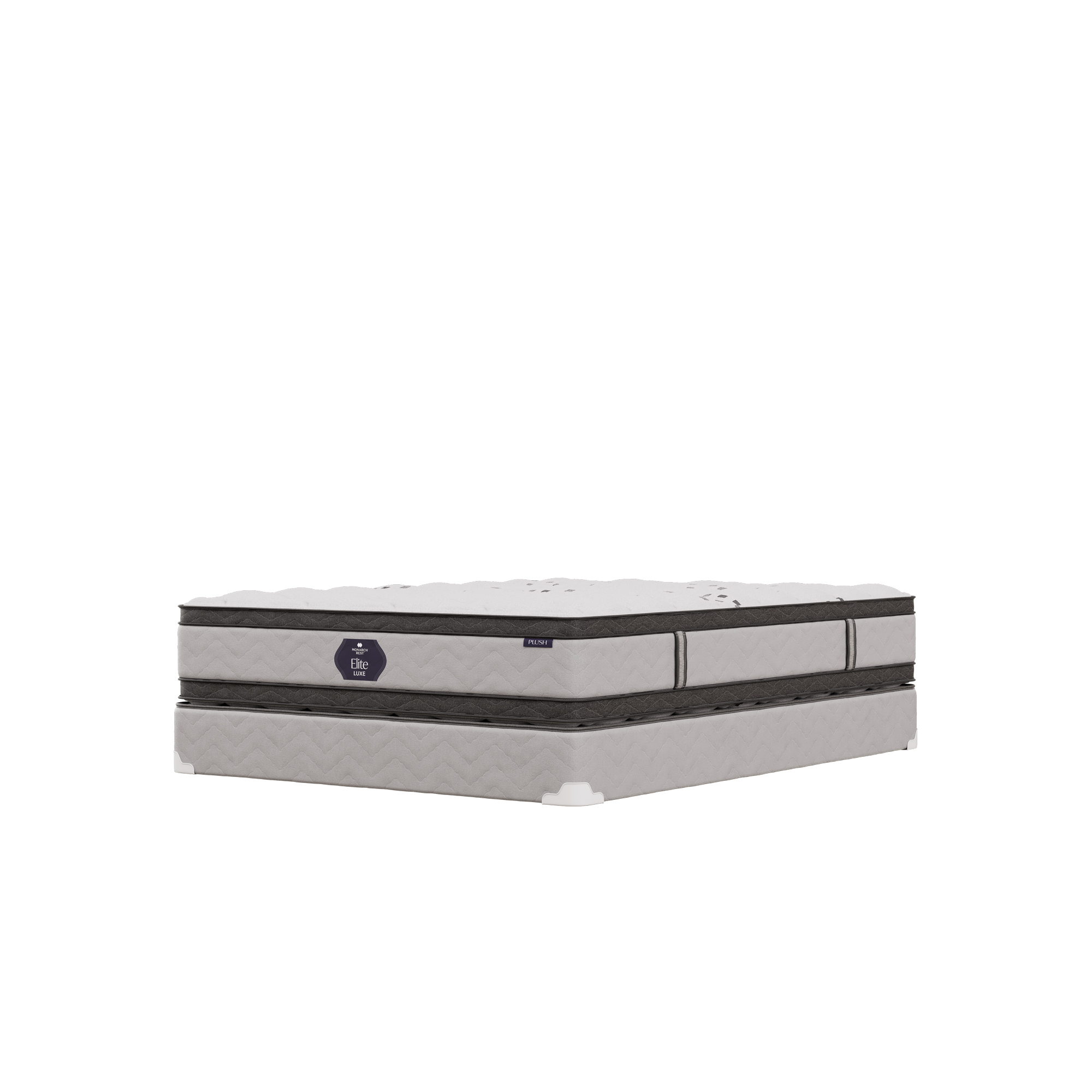
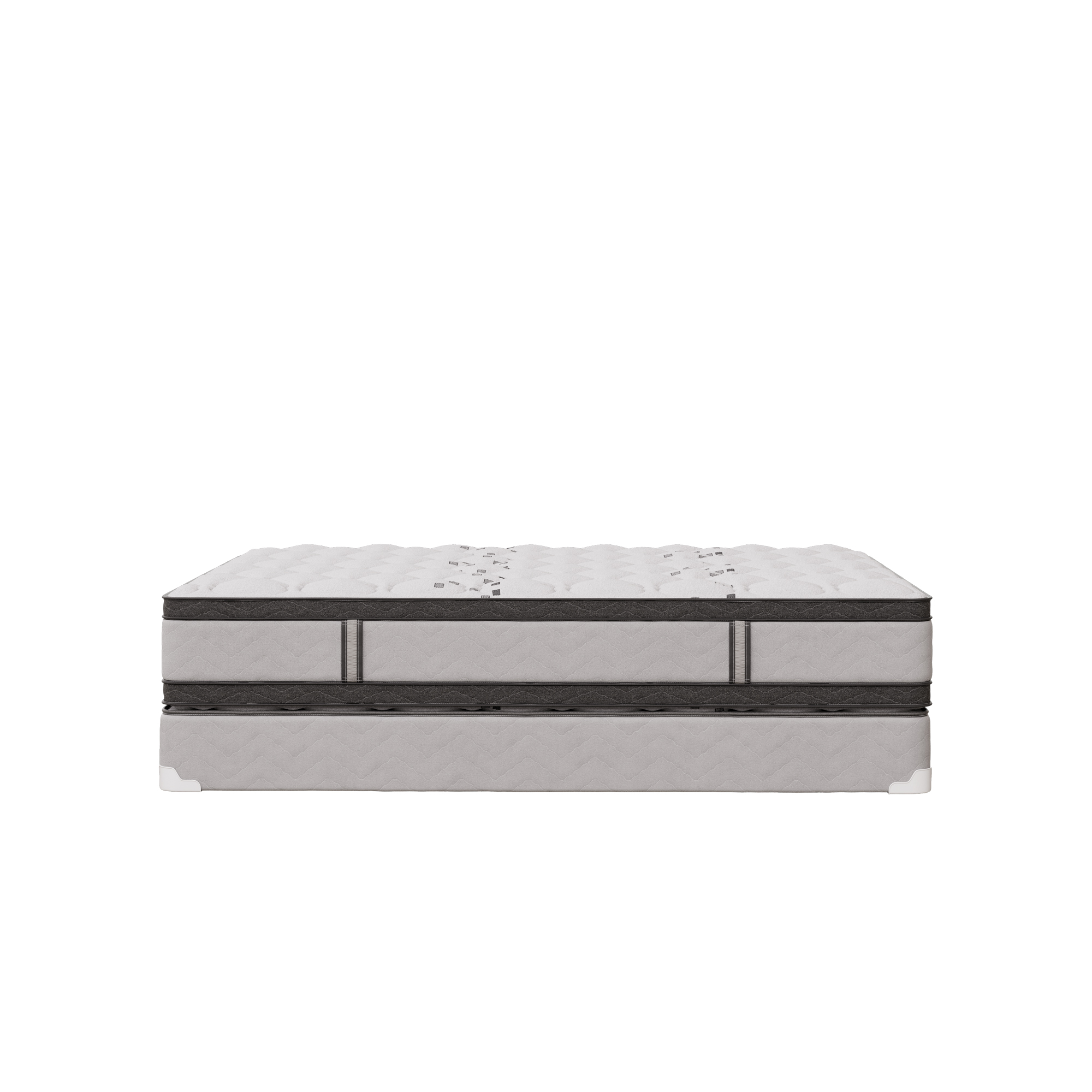
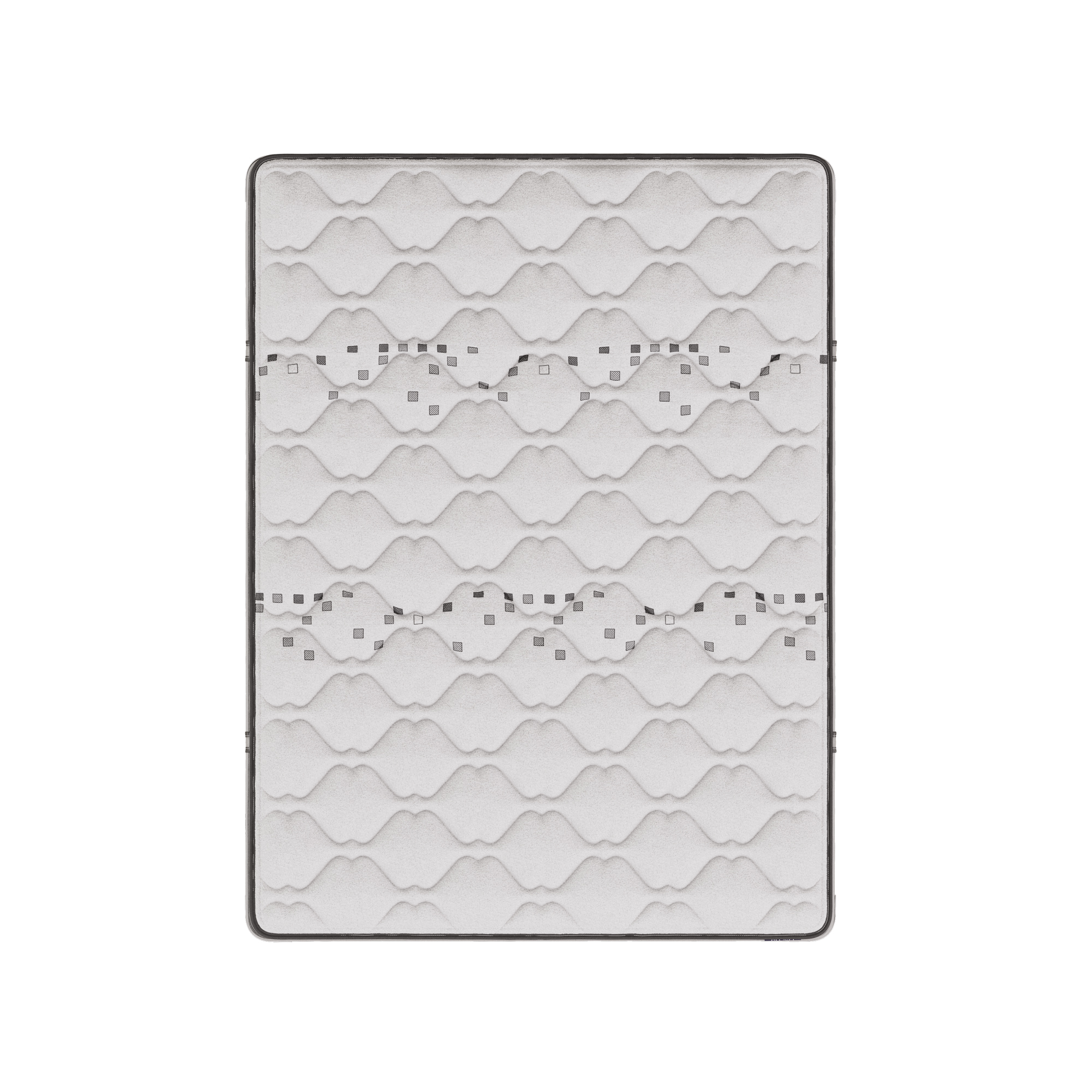
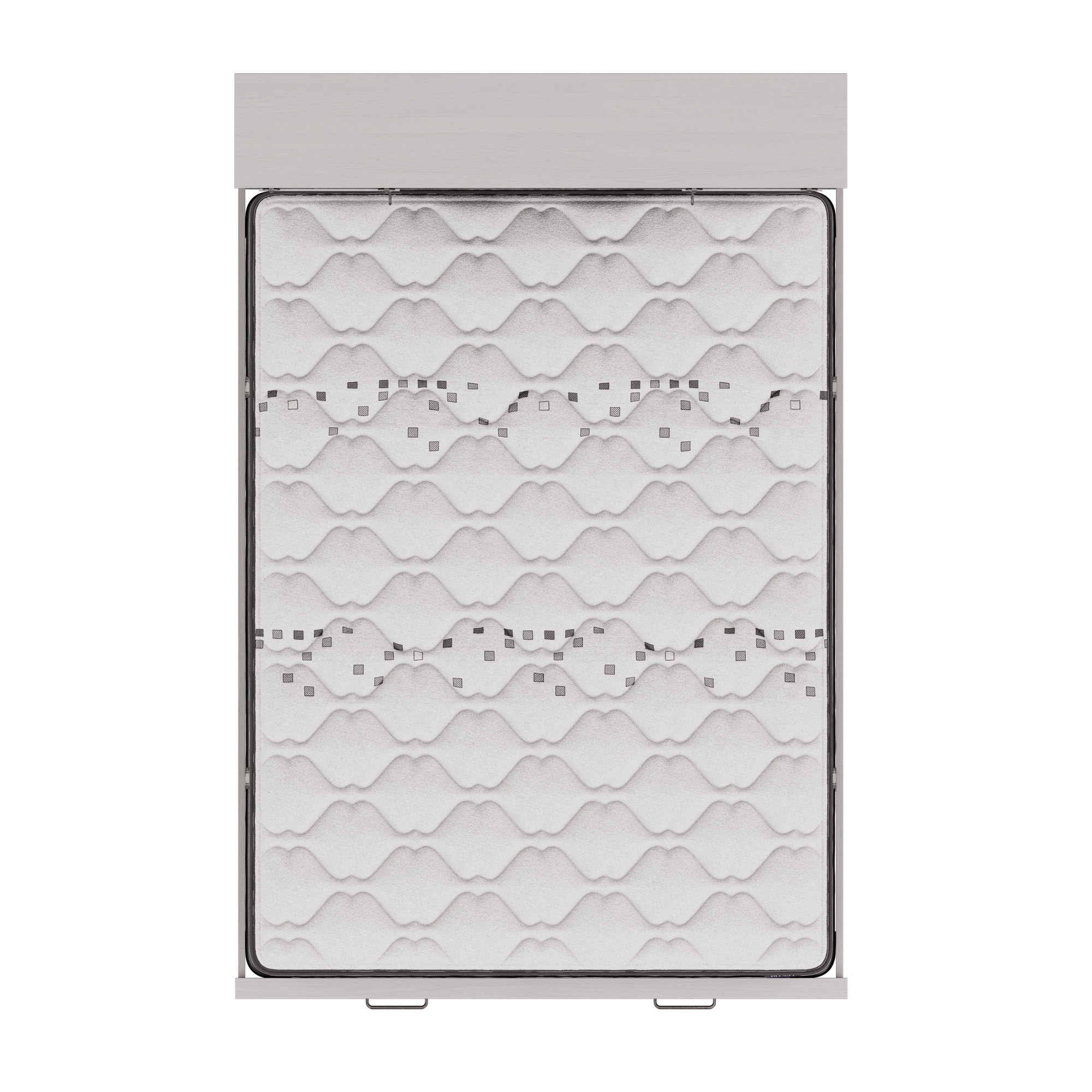
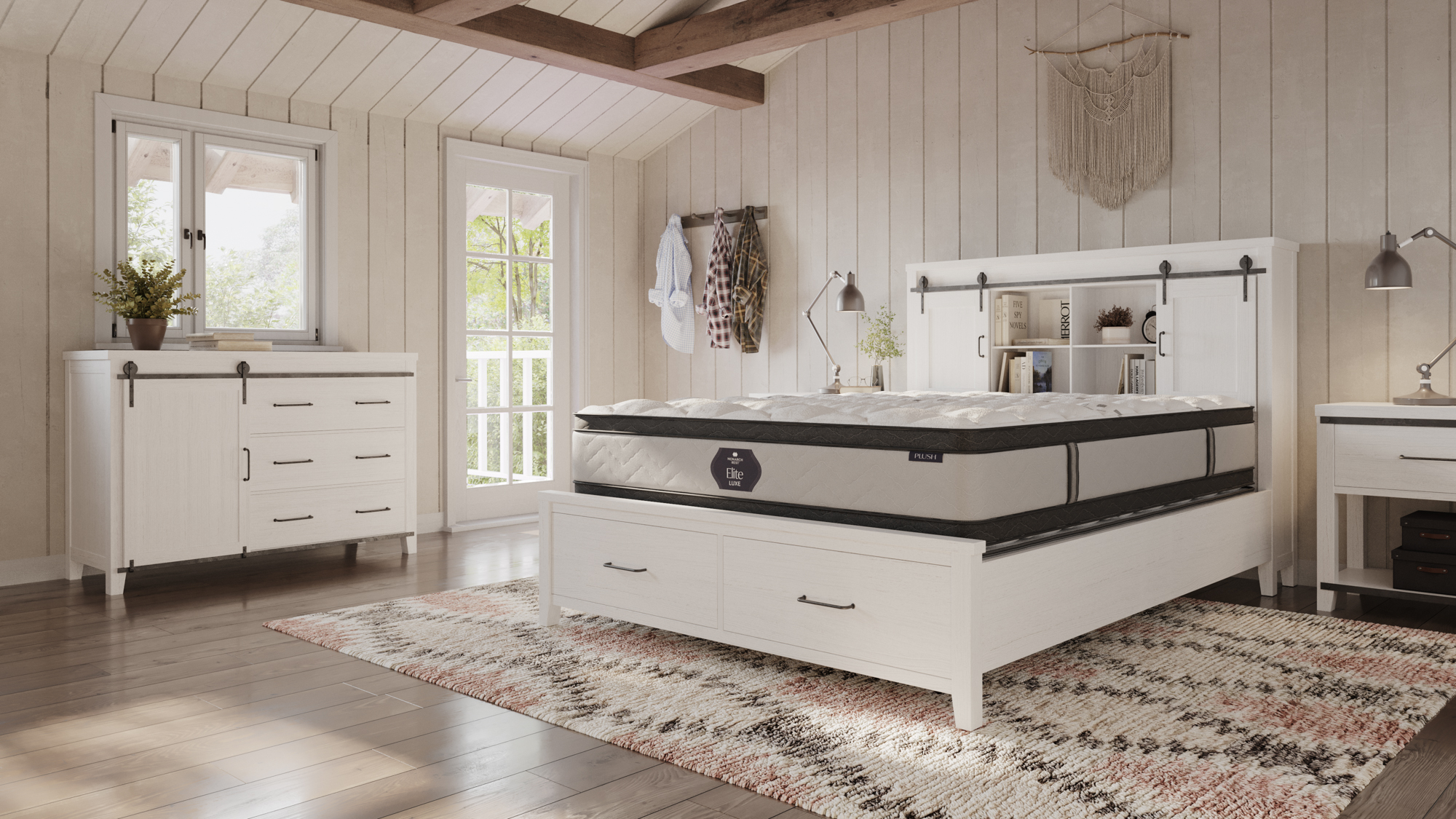










An innerspring mattress is built around a core of steel coils, which provide the primary support, topped with a comfort layer of materials such as cotton, wool, fiber padding, or a thin layer of foam. The whole assembly is wrapped in a quilted fabric cover. This coil-based construction is the oldest and most established mattress design, dating back over a century.
Steel wire is used to make the coils in a mattress, and gauge is a measurement of the wire’s thickness. The lower the number, the thicker the wire. Mattress coils are usually between 12 and 18 gauge. Typically, inner spring mattresses with thinner wire have more coils to compensate. Monarch Rest’s Elite uses 12.5-gauge coils with double-edge side support to ensure a strong foundation, then pads those coils with a variety of foams for a supported, yet comfortable sleeping surface.
Innerspring mattresses can be a good choice for those with back pain as long as they have edge reinforcement and offset coil systems that provide ongoing support. The Elite mattress from Monarch Rest has both, and we recommend it to those who need lower back support.
Innerspring mattresses sleep cooler and offer more bounce and edge support, while memory foam conforms to the body's contours and isolates motion better. Innerspring is usually a better choice for hot sleepers and anyone who prefers a more traditional feeling mattress. Monarch Rest offers a variety of each type so you can find the mattress that fits your sleep preference and budget.
Innerspring mattresses are generally the coolest-sleeping mattress type because their coil structure allows continuous airflow through the mattress's core. This makes them a strong option for hot sleepers or anyone in a warm climate. If you prefer a foam mattress, Monarch Rest offers several cooling options for our foam and hybrid collections.
Traditional innerspring mattresses with interconnected coils transfer more motion than offset coils, so partners are more likely to feel each other move during the night. To get a mattress with less motion, look for offset or encased coils, which move independently and significantly reduce motion in the mattress. Our Elite line features offset coils.
Most innerspring mattresses range from 8 to 14 inches thick, with the coil layer typically making up 6 to 8 inches of that total. Thicker mattresses (12+ inches) generally include a deeper comfort layer for more cushioning, while thinner models rely more directly on the coil support. You can see from the thickness of Monarch Rest’s innerspring mattresses that we generously and fully pad our comfort layer.
Yes, if it’s specifically designed by the manufacturer to be flipped. All of Monarch Rest’s Elite mattresses are built to be flipped over to ensure even wear and a mattress that lasts even longer!
Traditional innerspring mattresses generally aren't recommended for adjustable bases, since the coil structure isn't designed to bend and will be damaged by repeated flexing at the head and foot. While Elite is not ideal for an adjustable base, we do offer foam mattresses like Conforma, Fuchsia, and Integrity that work well for this application.
Most sleepers do well with a medium-firm feel, which balances support and pressure relief. Stomach and back sleepers often prefer firmer options (6-8), while side sleepers may want something slightly softer, like the Elite Luxe, to cushion the shoulders and hips.
Monarch Rest’s Elite innerspring mattresses come with a 20-year warranty that covers workmanship defects or component failures, including impressions exceeding ½ inch (first 10 years) or exceeding 1 inch (second 10 years). See the full warranty for details.
Twin and Twin XL work well for children, teens, or single sleepers in smaller rooms. For single sleepers who want space to stretch out, Full mattresses offer plenty of room. Queen and King mattresses are standard for most couples, while California King, at 84” long, is ideal for tall people. Make sure you know the size of both your room and your bed frame before purchasing an innerspring mattress–especially if you plan to take it up stairs–as they can be harder to maneuver and don’t bend as easily as foam or latex options.
We get it. Your sleep is too important to risk. Check out these trusted certifications.

CertiPUR-US Certified Foam®

American Crafted

BBB Accredited Business